
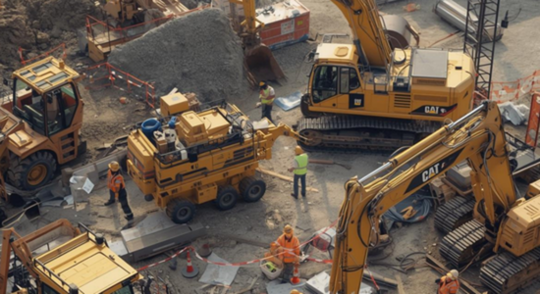
You head in thinking about the day. Maybe you are crossing a loud warehouse floor, stepping onto a jobsite near the 405, or clocking in at a shop off I-880. Then something goes wrong. A grinder catches. A ladder shifts. A forklift clips a pallet. A “quick fix” on a jammed machine turns into an ambulance ride.
After a tool or equipment injury, most workers ask the same things. Who pays for treatment. How you keep income coming in. Whether your employer will treat you differently. And what you should do next, right now.
This guide explains how equipment or tool-related workplace injury compensations typically work for California workers, what can slow a claim down, and how to protect yourself from day one. It also explains how The Work Justice Firm supports injured workers when the process gets tense or confusing.
Why Equipment or Tool-Related Workplace Injury Compensations Can Get Complicated
Tool and equipment injuries often look “simple” on paper, until you try to get care and get back to work safely. Problems tend to show up fast.
Here are a few reasons:
- Reporting is not always clear - On some sites, you report to a foreperson. On others, you report to a staffing agency, a supervisor, HR, or a safety lead from another company. If the chain is unclear, the insurance company can drag its feet.
- Symptoms can show up later - A back strain, shoulder tear, or nerve problem might not feel serious until later that night, or the next morning. Delays can lead to disputes about whether the injury was work-related.
- Jobsite responsibility can be messy - Construction, logistics, and industrial sites often involve several contractors. That can blur who controlled the equipment, who handled maintenance, and who set safety rules.
- Pressure to “push through” - Some workers get told to finish the shift, use sick time, or “just ice it.” That pressure can lead to worse injuries and less documentation.
What Types of Equipment or Tools Are Most Frequently Involved in Workplace Accidents?
We see a wide range across California, from small hand tools to heavy machinery. Certain tools show up again and again because they are common, fast-moving, or used under time pressure.
Examples include:
- Power tools - Grinders, saws, drills, nail guns, sanders, and impact drivers can cause deep cuts, punctures, eye injuries, and hand trauma.
- Ladders, scaffolds, and lifts - Falls still happen when equipment is rushed, uneven, or used without the right fall protection.
- Forklifts and pallet jacks - Crush injuries, foot and ankle injuries, and serious collisions can happen in seconds, especially in tight aisles.
- Conveyors, presses, rollers, and compactors - Hand and arm injuries can be severe when guarding is missing or lockout steps get skipped.
- Electrical equipment and cords - Shock injuries can come from damaged cords, wet conditions, missing grounding, or poor lockout practices.
What Are The Leading Causes of Workplace Injuries Related To Equipment and Tools?
Most injuries are not “random.” They tend to follow patterns.
Common causes include:
- Poor maintenance or worn parts - Faulty brakes, dull blades, missing guards, and jammed components raise the risk.
- Missing training or rushed training - A worker gets handed a tool with a quick explanation, then told to keep up with production.
- Unsafe work pace - When speed is valued over safety, people cut steps. That is when injuries spike.
- Improper personal protective equipment - Wrong gloves, no eye protection, no hearing protection, or the wrong footwear can turn a minor incident into a major injury.
- Bad site layout - Crowded aisles, poor lighting, clutter, and uneven walking surfaces increase falls and collisions.
What Should I Do Immediately After a Workplace Injury Involving Equipment or Tools?
You do not need to do everything perfectly. Still, a few steps can protect your health and your claim.
- Get medical care - If it is urgent, call 911 or go to the nearest ER. If it is not urgent, get evaluated as soon as you can. Tell the provider it happened at work and describe the tool or equipment involved.
- Report the injury in writing - If your workplace uses an incident report, fill it out. If not, send a short email or text to your supervisor or HR. Keep a copy.
- Document the scene if it is safe - Photos of the tool, missing guard, broken part, spill, or work area can help later. If you cannot take photos, write down details while they are fresh.
- Get witness names - Even one coworker who saw the malfunction, the fall, or the collision can help confirm what happened.
- Avoid “off the books” fixes - Do not accept cash, “use your own insurance,” or “just take a day off” as the only plan. Those choices can leave you paying out of pocket.
If you are already in the middle of a tool-related workplace injury claim, these steps can still help you catch up on documentation.
When Should I File a Workers’ Compensation Claim For an Equipment or Tool-Related Injury?
File as soon as you can after the injury occurs. Early reporting helps connect the injury to the job, which matters if symptoms change or get worse later.
A few practical timing tips:
- Report the injury the same day if possible - Even if you think it is minor, report it. You can still get worse later.
- Do not wait for the “perfect” diagnosis - Many equipment injuries start with pain, swelling, numbness, or limited movement. The diagnosis often comes after imaging or specialist visits.
- If your employer delays paperwork, keep your own record - Save messages, write down dates, and keep copies of any forms you turn in.
If you are not sure what has been filed, a quick call with a workers’ compensation attorney can help you confirm where you stand.
What Compensation Benefits are Available For Injuries Caused By Faulty or Dangerous Equipment?
Workers’ compensation often focuses on medical care and wage replacement. The details depend on your medical records and work status.
Benefits can include:
- Medical treatment - Doctor visits, imaging, therapy, medication, and specialist care when approved.
- Temporary disability payments - If a doctor takes you off work, or gives restrictions your employer cannot meet, you may qualify for wage replacement.
- Permanent disability benefits - If you have lasting limits, you may qualify for ongoing benefits based on impairment.
- Mileage reimbursement - If you travel for medical care, you may be able to recover mileage costs.
- Supplemental job displacement benefits - In some cases, a voucher may apply if you cannot return to your old job.
If the insurer disputes care, equipment or tool-related workplace injury compensations can become a fight over authorizations, records, and deadlines. That is where representation can make a real difference.
What is The Most Common Type of Workers' Compensation Claim For Injuries Involving Equipment and Tools?
Many tool and equipment cases involve one of these claim types:
- Strains and sprains - Back, shoulder, knee, and wrist injuries often happen during lifting, pushing, pulling, or repetitive tool use.
- Crush and pinch injuries - Forklifts, pallet loads, presses, and conveyor points can cause fractures, nerve damage, and amputations.
- Lacerations and punctures - Cutting tools, grinders, and nail guns frequently cause deep wounds and tendon injuries.
- Falls from height - Ladders and scaffolds can lead to fractures, head injuries, and spinal injuries.
- Eye and hearing injuries - Flying debris and loud equipment can cause permanent harm without proper protection.
How Much Compensation Can I Get For a Workplace Injury Involving Equipment or Tools?
There is no single number that fits everyone. Amounts depend on medical needs, time missed from work, and whether you end up with long-term limits.
What usually affects the total value of a case:
- Medical cost and future treatment - Surgery, rehab, and specialist care can change the stakes.
- Time off work and work restrictions - Temporary disability benefits depend on your earnings and work status.
- Permanent impairment - If you have lasting limits, permanent disability benefits may apply.
- Return-to-work outcome - If you cannot go back to the same job, job displacement benefits may become part of the picture.
- Other legal options - If a third party caused the incident, that separate claim can change the financial picture.
If you want a real estimate, it helps to review wages, medical records, and work restrictions with an attorney who handles these cases every day. That is often the fastest way to understand what equipment or tool-related workplace injury compensations might look like in your situation.
Can I File a Lawsuit Against a Third Party in Addition to Workers' Compensation For an Equipment-Related Injury?
Sometimes, yes. Workers’ comp is often the main path against your employer. But if someone outside your employer caused or contributed to the harm, you may have a separate claim.
Examples can include:
- Defective tools or machinery - A product defect, missing guard, or design problem may lead to a product liability claim.
- Rental equipment issues - A lift, compressor, or forklift provided by a rental company may have poor maintenance or missing safety features.
- Jobsite negligence by another contractor - A subcontractor may remove guards, bypass lockout steps, or create an unsafe work area.
- Vehicle strikes while working - Roadside workers and delivery staff can get hit by drivers while doing the job.
Evidence matters here. Tools get repaired, swapped, or “disappear.” If you suspect a third party claim, talk to a lawyer early.
What are The Common Challenges in Filing a Workers' Compensation Claim For Equipment-Related Injuries?
These issues show up a lot:
- Denied or delayed treatment - Insurers may deny imaging, specialist visits, or procedures. They may argue the care is not needed, or blame a prior condition.
- Pressure to accept unsafe modified duty - Light duty must match your restrictions. If it does not, document it and tell your doctor.
- Blame and misreporting - Some workers see reports written in a way that makes the injury seem minor, or shifts fault onto the worker.
- Staffing agency confusion - If you are placed through an agency, employers sometimes point fingers at each other. You still need benefits.
- Retaliation concerns - Hours get cut. Schedules change. Write-ups start. Save texts, emails, and schedules.
These problems are why workplace injury compensation for equipment accidents can feel stressful, even when the injury is clearly job-related.
What Steps Can Employers Take To Prevent Equipment-Related Workplace Injuries?
Prevention matters because it keeps people safe. It also matters because safety failures are often part of the story when a worker gets hurt.
Examples of prevention steps include:
- Regular inspection and maintenance - Guards, brakes, cords, and safety shutoffs need routine checks.
- Real training, not rushed training - Workers should get hands-on instruction, plus clear rules for lockout and safe operation.
- Clear jobsite layout - Mark walking paths, keep aisles open, and improve lighting.
- Proper protective gear - Eye protection, gloves, hearing protection, and fall protection should fit the task and be enforced.
- Safe staffing and realistic timelines - Overworked crews and unrealistic deadlines raise risk.
If you were injured because equipment was unsafe or poorly maintained, that detail should be documented early.
Getting Help in California Without Making Your Week Harder
California is big. Logistics matter when you are injured, dealing with appointments, and trying to keep income coming in.
If you are in the LA area, Metro rail and bus routes can help when driving hurts. In the Bay Area, BART and Caltrain can reduce the stress of parking. In Orange County, San Diego County, and parts of the Inland Empire, driving may be the only realistic option, so plan extra time for paid garages and street parking.
If you cannot travel, ask about phone or video meetings. Many workers prefer that during the first couple of weeks, especially when they are in a brace or recovering from surgery.
Talk to The Work Justice Firm About Your Next Steps
If your claim is getting delayed, if you are being pushed back to work too soon, or if you suspect faulty equipment, it helps to get advice before the record gets set in the wrong direction.
Tell us what happened, what tool or machine was involved, and what your employer or insurer has done so far. We will help you understand your options and what to do next.
Contact us today for a free consultation! Or visit us at workjustice.com to find out more about what we can do for you.