
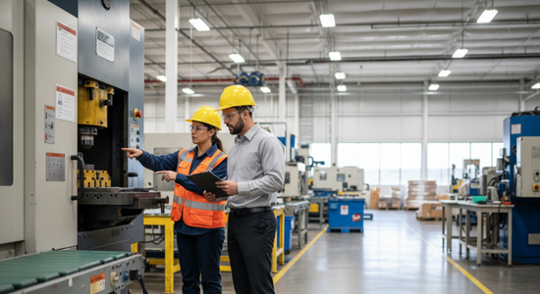
Picture a normal shift. Maybe you clocked in at a warehouse near the Port of Los Angeles. Maybe you were loading a hopper in Bakersfield. Maybe you were pushing through a long morning at a Central Valley food plant. Machines buzz and rattle, tools sit where they always do, and everything feels routine. Then something slips. A guard sticks. A belt jerks. A tool snaps in your hand.
One second you are working. The next, you are holding an injury you never expected.
If you are reading this with your hand still sore, or your arm wrapped, or your back stiff from guarding every movement, you are not alone. This guide explains what to do next, how California machinery accident claims work, and how to file for workers’ compensation so you can heal without doing all the heavy lifting yourself.
When to reach out after a machinery accident
Most workers try to push through pain the first day. You may go home, ice the injury, and hope it feels better the next morning. But machinery injuries often grow worse before they get better. If any of these happened, it is time to ask questions:
- The machine jammed, slipped, or pulled in a way it should not have.
- Safety devices, guards, or shut off switches did not work.
- A supervisor told you to “walk it off” or “finish your route first.”
- The incident was never written up.
- You were sent to a clinic but rushed through the exam.
- You started getting bills that should have gone to workers’ compensation.
A short call with a lawyer can help you make sense of what happened and what to do in the next few days.
What to expect during your first call with an attorney
You do not need paperwork ready. You do not need a perfect story. You talk through what happened. We listen. Then we ask a few targeted questions to see the full picture:
- What machine or tool you were using
- What went wrong, even if you are not sure
- What you felt right away and what came later
- Who saw the accident or heard it happen
- What medical care you received
Bring what you can, but do not stress if things are scattered. A defective tool injury attorney CA workers trust can help you organize everything into a simple timeline.
Signs your machinery injury is more serious than you thought
Many machinery injuries feel minor at first. But machinery does not deal in small forces. If you notice any of these signs, pay attention:
- Tingling or numbness
- Trouble gripping objects
- Swelling that gets worse at the end of a shift
- Pain that spreads up the arm or across the back
- Weakness when lifting anything heavier than usual
These symptoms matter. This is why workplace machine injury compensation exists.
How California machinery accident claims work
California uses a no fault workers’ compensation system. This means you do not have to prove that your employer did something wrong. You only need to show that the injury happened while you were working.
Workers’ compensation can cover:
- Doctor visits and follow up care
- Imaging tests and diagnostic exams
- Physical and occupational therapy
- Surgery when necessary
- Medication
- Temporary disability payments
- Permanent disability payments
- Vouchers for retraining when you cannot return to the same work
Many workers want to know how California machinery accident claims handle long recovery periods, surgery recommendations, or permanent limits that show up months after the incident. The answer often depends on medical reports, job duties, and how the injury affects daily life.
Common machinery accidents in California workplaces
Machinery incidents take many forms. Some happen fast. Others build over months. Examples include:
- Clothing caught in moving parts
- Hands or fingers pulled into rollers
- Sudden startups due to poor lockout procedures
- Tool failures or cracked handles
- Conveyor belts grabbing sleeves or gloves
- Loads falling from forklifts or hoists
Industries like manufacturing, construction, agriculture, recycling, food processing, and warehousing see these injuries most often. California equipment accident legal claims often come from workers who never saw the danger coming.
Injuries workers often experience
Machinery can cause serious harm even in a split second. Common injuries include:
- Fractures
- Deep cuts and scarring
- Nerve damage
- Amputations
- Back and neck injuries
- Crush trauma affecting muscles and bones
Sometimes the visible injury is only part of the problem. Internal damage or nerve injuries can take time to appear. This is why follow up care is important.
What compensation may be available to you
Your benefits depend on your injury, job tasks, and recovery timeline.
Medical treatment
Workers’ compensation covers approved medical care. When recovery is long or requires surgery, the value of a claim often increases because the impact on your life is greater.
Temporary disability
If you cannot work while healing, temporary disability payments replace part of your lost wages.
Permanent disability
Some injuries never fully heal. Permanent disability benefits apply when limits affect your ability to work long term.
Job displacement vouchers
If you cannot return to your old job safely, retraining support may be available.
Settlements
Many cases end in a settlement. A lawyer can walk you through what each option means and how it affects your future medical needs.
Workers with severe injuries often rely heavily on California machinery accident claims because the recovery process can be long and physically demanding.
Understanding your rights as a California worker
Workers’ compensation gives you several important rights:
- The right to report your injury
- The right to a claim form
- The right to medical care through the system
- The right to challenge a denied treatment plan
- The right to legal representation
Workers from San Diego to Redding often need help understanding which rights apply and when deadlines begin. Permanent limits sometimes increase the support available through California machinery accident claims because they change how you work, lift, bend, and use tools.
How long machinery accident claims take
Timelines vary from one case to the next. Most follow this path:
- Report the injury
- Receive the claim form
- Begin treatment
- Temporary disability payments
- Therapy or surgery
- Permanent disability rating
- Settlement discussions
Workers in major cities like Los Angeles or San Francisco may face longer clinic wait times than workers in smaller communities. A lawyer helps manage these delays and keeps the process moving.
Steps you can take today to protect your claim
You do not need perfect documents. You only need simple habits.
Build a short timeline
Note the machine, the time, what went wrong, and who was nearby.
Save your paperwork
Keep medical notes, restrictions, emails, and texts.
Report the injury in writing
A short email creates a record that cannot be changed.
Follow the treatment plan
Attend appointments. Tell your doctor when symptoms change.
Track changes at work
Write down any shift cuts or new discipline after reporting the injury.
As your doctor identifies long term limits, California machinery accident claims may include permanent benefits that reflect your new restrictions.
Retaliation after reporting a machinery injury
Retaliation is illegal. It may look like:
- Sudden schedule cuts
- Unfair write ups
- Transfers to harder or less desirable tasks
- Pressure to lift or operate unsafe equipment
- Termination shortly after filing
Write down what you see, even if it seems small. Details help protect your rights.
How a lawyer supports your claim
A lawyer helps you focus on recovery instead of paperwork. Support may include:
- Collecting medical records
- Communicating with adjusters
- Preparing you for medical evaluations
- Filing appeals
- Reviewing settlement offers
- Representing you in hearings
A lawyer familiar with workplace machine injury compensation knows how to manage disputes, delays, and incomplete approvals.
Statewide access and flexible scheduling
The Work Justice Firm supports workers across California. If you prefer in person help in Los Angeles, the office sits close to Grand Park with easy access to bus lines and the Metro rail. Parking structures nearby offer daily rates. If you live farther away, you can meet by phone or video from anywhere in the state. These options help workers in Sacramento, Bakersfield, Fresno, and San Jose without long drives.
What it's like to work with The Work Justice Firm
What we do
- Go over your papers and quickly fill in any gaps
- Keep track of treatment approvals and disability payments
- Fill out and send in forms
- Fight unfair denials
- Work out fair settlements
- If you need them, they will represent you at hearings.
What you can look forward to
- Brief updates
- Clear explanations
- Useful advice that doesn't waste your time
We focus on the workers and the problems they have every day after getting hurt on the job.
Frequently asked questions about California machinery accident claims
Do I need a lawyer to make a claim?
You can start by yourself, but accidents with machines often involve complicated medical and legal issues. A lawyer helps you get your benefits faster and keeps them safe.
What benefits can I get?
You might be able to get medical care, temporary disability, permanent disability, and help with retraining.
Can my employer refuse to report my injury?
No. If they refuse, you can still file directly. Save every message.
Will I get in trouble for filing a claim?
Retaliation is unlawful. If hours drop or discipline starts suddenly, write it down.
What if treatment is denied?
You can challenge the denial. A lawyer can gather support and file the correct documents.
Does workers’ compensation cover equipment failures?
Yes. It covers injuries that happen at work even if the machine malfunctioned without warning.
Ready to talk about your machinery accident claim
If you were hurt by equipment anywhere in California, reach out to The Work Justice Firm. Bring your notes, your questions, and anything you have. We will look at everything together, explain your options, and help you plan the next steps. In person, by phone, or by video, we will make the meeting fit your day.