
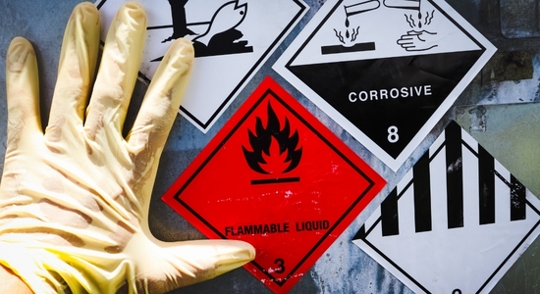
Work in California often means being around chemicals that are treated as routine. Cleaning products. Solvents. Fuels. Dust. Vapors. Liquids stored in unmarked containers. In many jobs, chemical exposure becomes part of the work environment before anyone stops to question it.
You might notice the smell first. Then irritation. Then symptoms that follow you home. Headaches. Breathing trouble. Skin reactions. Fatigue. For some workers, exposure at work turns into lasting health problems that do not go away on their own. When that happens, knowing how to report the exposure and protect your rights matters.
This guide explains how chemical exposure in the workplace is handled in California, what to do when exposure occurred on the job, and how workers may seek compensation through the workers’ compensation system.
Common Workplace Chemicals Causing Exposure Injuries
California has one of the largest and most diverse labor forces in the country. Workers may be exposed to toxic chemicals in warehouses, kitchens, labs, farms, factories, hospitals, and construction zones. Many of these workplaces rely on chemical products every day.
Chemical hazards often appear in places like:
- Warehouses storing leaking containers or damaged returns
- Janitorial and hospitality jobs using concentrated cleaners
- Auto shops and industrial facilities using solvents and fuels
- Construction and renovation sites with dust, sealants, and adhesives
- Agricultural workers handling pesticide sprays and fertilizers
In many cases, workers are exposed to toxic substances without clear warnings or training. Toxic chemicals at work may be present in the air, on surfaces, or in water sources. Over time, long-term exposure can affect the lungs, skin, nervous system, or other organs.
Occupational safety and health rules are meant to protect workers, but enforcement does not always match real conditions on the floor.
What counts as a work related chemical exposure injury
Chemical exposure include more than sudden spills or burns. Exposure can happen gradually, and the health effects may not appear right away.
Examples of workplace chemical exposure include:
- Skin irritation or chemical burns after contact with hazardous substances
- Breathing problems caused by fumes or dust
- Symptoms of toxic chemical exposure such as dizziness or nausea
- Asthma or respiratory issues linked to chemical exposure at work
- Worsening of an existing condition due to toxic chemical exposure
Exposure can lead to serious illness when workers are exposed to toxic chemicals repeatedly. In some cases, exposure to asbestos or benzene exposure is discovered years later. The duration of exposure and exposure levels matter, but workers do not need perfect proof to start a claim.
If you were harmed by toxic substances while working, that may qualify as a workplace injury under California workers’ compensation law.
California chemical exposure workplace claims and available benefits
California chemical exposure workplace claims usually move through workers’ compensation. This system exists to provide care and wage support when work-related exposure causes injury or illness.
A workers’ compensation claim may cover:
- Medical treatment related to chemical exposure
- Testing for toxic chemical exposure and related conditions
- Temporary disability pay for time away from work
- Permanent disability benefits if limits remain
- Workers’ compensation benefits tied to ongoing care
Chemical exposure workers compensation cases can be complex. Insurance carriers often ask whether the exposure happened at work, whether permissible exposure limits were exceeded, and whether symptoms are related to a specific chemical involved.
That does not mean workers should wait. Early filing helps protect benefits.
What to do immediately after chemical exposure at work
When chemical exposure happened, the steps you take early can shape the entire claim.
Steps to take include:
- Get medical care and describe the exposure clearly
- Tell the provider which chemicals in the workplace were involved
- Report the exposure to a supervisor in writing
- Ask for workers’ compensation forms
- Take photos of containers, labels, and the work area if safe
- Save Safety Data Sheets if available
- Keep notes on symptoms and the work environment
Reporting exposure protects workers and creates a record. Even if symptoms seem mild, exposure can cause health effects that worsen with time.
When symptoms develop slowly over time
Chemical exposure can vary. Some workers notice symptoms immediately. Others develop illness after prolonged exposure or repeated contact with toxic substances.
This often happens when:
- Workers may be exposed daily without proper ventilation
- Chemical safety rules are ignored during busy shifts
- Exposure to a toxic substance happens in small amounts over time
- Workers are exposed to common toxic chemicals repeatedly
- Exposure levels rise during certain tasks
Long-term exposure may lead to respiratory problems, neurological symptoms, or other serious conditions. Health effects of chemical exposure can depend on the specific toxic substances involved and the level of exposure.
Why California chemical exposure workplace claims are often disputed
Chemical exposure can be complex. Insurance companies often question whether symptoms are linked to chemical exposure or caused by something else.
Common challenges include:
- Missing documentation of the exposure
- Disputes about whether the exposure was hazardous
- Claims that symptoms are unrelated to the workplace
- Requests for additional medical evaluations
- Delays in approving treatment
Chemical exposure claims require clear medical documentation. A workers’ compensation attorney can help injured workers organize records and respond to disputes.
When other parties may share responsibility
Some exposure cases involve more than one responsible party. This can happen when chemicals are supplied, stored, or controlled by someone other than the employer.
Examples include:
- A property owner who failed to maintain ventilation
- A vendor delivering defective chemical products
- A contractor introducing toxic substances without safeguards
- An equipment supplier providing faulty containment
In limited cases, workers may have toxic tort claims or personal injury claims outside workers’ compensation. These situations depend on whether negligence by a third party caused the exposure.
Retaliation and job pressure after reporting exposure
Workers sometimes face pressure after reporting exposure.
Warning signs include:
- Reduced hours
- Sudden discipline
- Reassignment to unsafe work
- Pressure to return before cleared by a doctor
Protections for workers exist. Save schedules, messages, and notes if treatment at work changes after reporting exposure.
How The Work Justice Firm supports chemical exposure cases
The Work Justice Firm helps workers across California navigate chemical exposure cases. The firm focuses on workers, not employers or insurers.
Support may include:
- Reviewing whether the exposure is work-related
- Organizing medical evidence linked to chemical exposure
- Addressing delays in workers’ compensation insurance
- Identifying whether third party responsibility exists
- Helping workers pursue compensation through the proper channel
An experienced workers’ compensation attorney can help workers understand their options and next steps.
Access across California
Workers across the state use phone or video meetings to avoid travel. In larger cities, public transit options help reduce stress. Scheduling is flexible to match real work hours.
Practical steps you can take now
If you believe you have been exposed to toxic chemicals at work:
- Write a timeline of exposure and symptoms
- Save photos and product names
- Track health problems day by day
- Request copies of reports
- Ask questions early
Helping injured workers starts with documentation.
Ready to talk with The Work Justice Firm
If chemical exposure at work has affected your health, do not wait. Early action protects benefits and treatment access. If you want guidance on California chemical exposure workplace claims, The Work Justice Firm can explain the claims process in clear terms.
If you or a loved one has been exposed and symptoms are ongoing, reach out for help understanding California chemical exposure workplace claims and how to move forward.